With Home Office Design for Remote Work at the forefront, this paragraph opens a window to an amazing start and intrigue, inviting readers to embark on a storytelling journey filled with unexpected twists and insights.
In today’s fast-paced world, the concept of remote work has become increasingly popular. As more people embrace this flexible work setup, the importance of a well-designed home office cannot be overstated. Creating a space that is not only functional but also inspiring is key to enhancing productivity and overall well-being. Let’s delve into the world of home office design and explore how you can optimize your workspace for remote work success.
Home Office Design for Remote Work
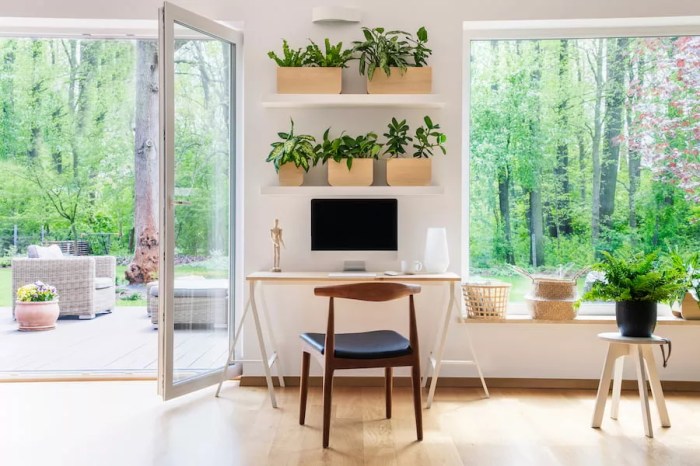
Creating a functional and inspiring home office space is crucial for remote work productivity. A well-designed workspace can help improve focus, efficiency, and overall well-being while working from home.
The Importance of Ergonomic Design
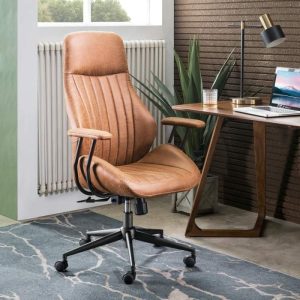
- Choose a comfortable chair with proper back support to prevent strain and promote good posture.
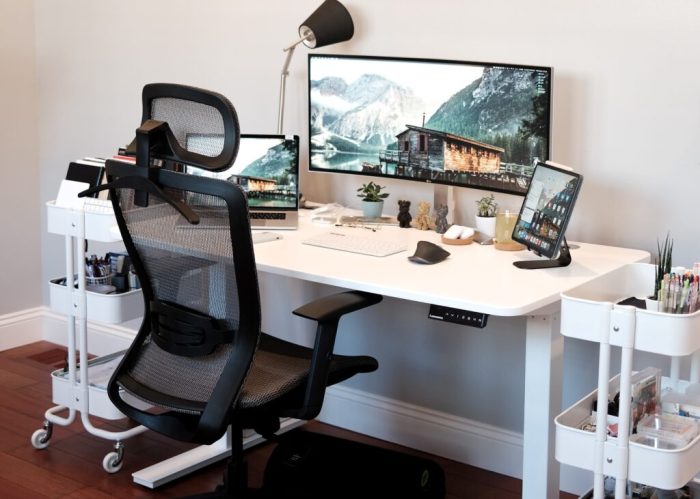
- Position your computer screen at eye level to reduce neck and eye strain.
- Invest in an adjustable desk to alternate between sitting and standing to avoid prolonged sitting.
The Role of Lighting in Home Office Design
Good lighting is essential for a productive workspace. Natural light is ideal, but if not possible, opt for LED lights that mimic natural daylight. Avoid glare on screens by positioning light sources strategically.
Color Schemes and Furniture Arrangement
- Choose calming colors like blues and greens for a serene work environment.
- Keep the space clutter-free and organized to promote focus and creativity.
- Position your desk facing a window for natural light and a view to reduce eye strain.
Home Accents for Home Office
Incorporating home accents into your home office can significantly impact the ambiance and overall aesthetic of the space, making it a more comfortable and inspiring environment to work in.
Incorporating Plants
Plants can bring life and freshness to a home office, improving air quality and reducing stress levels. Consider placing a variety of indoor plants such as succulents, ferns, or peace lilies on your desk or shelves to add a touch of nature to your workspace.
Impact of Wall Art, Rugs, and Decorative Items
Wall art, rugs, and decorative items can help personalize your home office and reflect your style and personality. Choose pieces that inspire you or evoke positive emotions, such as motivational quotes, abstract paintings, or vibrant rugs, to enhance the overall aesthetic of the space.
Personalizing Your Home Office Space
To make your home office feel more personalized and meaningful, incorporate accents that reflect your interests and values. Display family photos, travel souvenirs, or sentimental items that inspire you and create a sense of belonging in your workspace.
Home Automation in Home Office
Integrating smart technology like smart lighting or thermostats in a home office can bring numerous benefits to remote workers.
Streamlining Tasks with Automation Systems
- Automation systems can adjust lighting and temperature settings based on your preferences, creating a comfortable and productive work environment without manual adjustments.
- By automating repetitive tasks like turning on/off lights or adjusting room temperature, you can focus more on work tasks and minimize distractions.
- Smart technology can also help in managing energy usage efficiently, potentially reducing overall utility costs in the long run.
Improving Productivity in a Remote Work Setup
- Automation devices can create personalized workspaces tailored to individual preferences, boosting comfort and overall job satisfaction.
- With remote access features, you can control home office devices from anywhere, allowing for seamless transitions between work and personal tasks.
- Integrating automation systems can enhance workflow efficiency and time management, leading to increased productivity levels.
Considerations for Choosing and Setting Up Home Automation Devices
- Prioritize compatibility when selecting automation devices to ensure seamless integration with existing technology in your home office setup.
- Assess your specific needs and preferences to determine which smart features would be most beneficial for your work routine.
- Consider security measures to protect sensitive data and ensure that automation systems comply with privacy regulations to safeguard your personal information.
Home Makeover for Home Office
Creating a functional home office doesn’t necessarily require a large budget or extensive renovations. With some creativity and strategic planning, you can transform a spare room or corner of your home into a productive workspace that promotes efficiency and well-being.
When revamping your home office space, consider the following budget-friendly ideas:
Steps to Transform a Home Office
- Clear out clutter and organize the space to create a clean and efficient work environment.
- Choose a color scheme that promotes focus and creativity, such as calming blues or energizing yellows.
- Invest in ergonomic furniture to support good posture and reduce strain on your body during long work hours.
- Add personal touches like artwork, plants, or motivational quotes to personalize the space and boost mood and productivity.
Psychological Impact of a Well-Designed Home Office
A well-designed home office can have a significant impact on work efficiency and mental well-being. A clutter-free and organized workspace can reduce distractions and increase focus, leading to higher productivity. Additionally, incorporating elements like natural light, comfortable furniture, and personalized décor can create a positive and inspiring atmosphere that contributes to overall job satisfaction and well-being.
Home Office Furniture Essentials
When setting up a home office, selecting the right furniture is crucial for creating a comfortable and productive workspace. The right furniture pieces can help you stay organized, maintain good posture, and enhance your overall work experience. Let’s explore some essential home office furniture options.
Desks
- Standard Desk: A traditional desk with ample surface space for a computer, paperwork, and other essentials.
- Standing Desk: Allows you to work while standing, promoting better posture and reducing the risk of sedentary behavior.
- L-Shaped Desk: Ideal for corner spaces, providing a larger work area and better organization.
Chairs
- Ergonomic Office Chair: Adjustable height, lumbar support, and armrests to maintain proper posture and reduce back strain.
- Task Chair: Basic chair with swivel and casters for easy movement around your workspace.
- Stability Ball Chair: Promotes active sitting, engages core muscles, and improves posture.
Storage Options
- Filing Cabinet: Keep important documents organized and easily accessible.
- Bookshelf: Store books, binders, and decorative items to personalize your workspace.
- Wall Shelves: Utilize vertical space to display items and keep clutter off your desk.
Importance of Ergonomic Furniture
Investing in ergonomic furniture is crucial to prevent physical strain and discomfort during long hours of remote work. Properly designed chairs and desks can help reduce the risk of musculoskeletal issues such as back pain, neck strain, and wrist injuries. Adjustable furniture allows you to customize your setup to fit your body’s unique needs, promoting better health and productivity.
In conclusion, the design of your home office plays a crucial role in your remote work experience. By implementing the right elements, from furniture to decor and automation, you can create a workspace that boosts efficiency and creativity. So, whether you’re revamping an existing setup or starting from scratch, remember that a well-designed home office is more than just a place to work—it’s a space that nurtures your professional growth and personal satisfaction.
FAQs
How important is lighting in home office design?
Proper lighting is crucial for reducing eye strain and creating a conducive work environment. Natural light is ideal, but if that’s not possible, opt for LED lights that mimic natural daylight.
What are some budget-friendly ways to revamp a home office space?
You can repaint the walls, rearrange furniture, add some plants for a touch of green, and invest in organizational tools to declutter your workspace without breaking the bank.
Why is ergonomic furniture essential for remote work?
Ergonomic furniture helps prevent musculoskeletal issues and promotes better posture, reducing the risk of strain or injuries during long hours of work.